Badminton Rules Reference

Is a Shuttle Touching the Net Legal in Badminton?

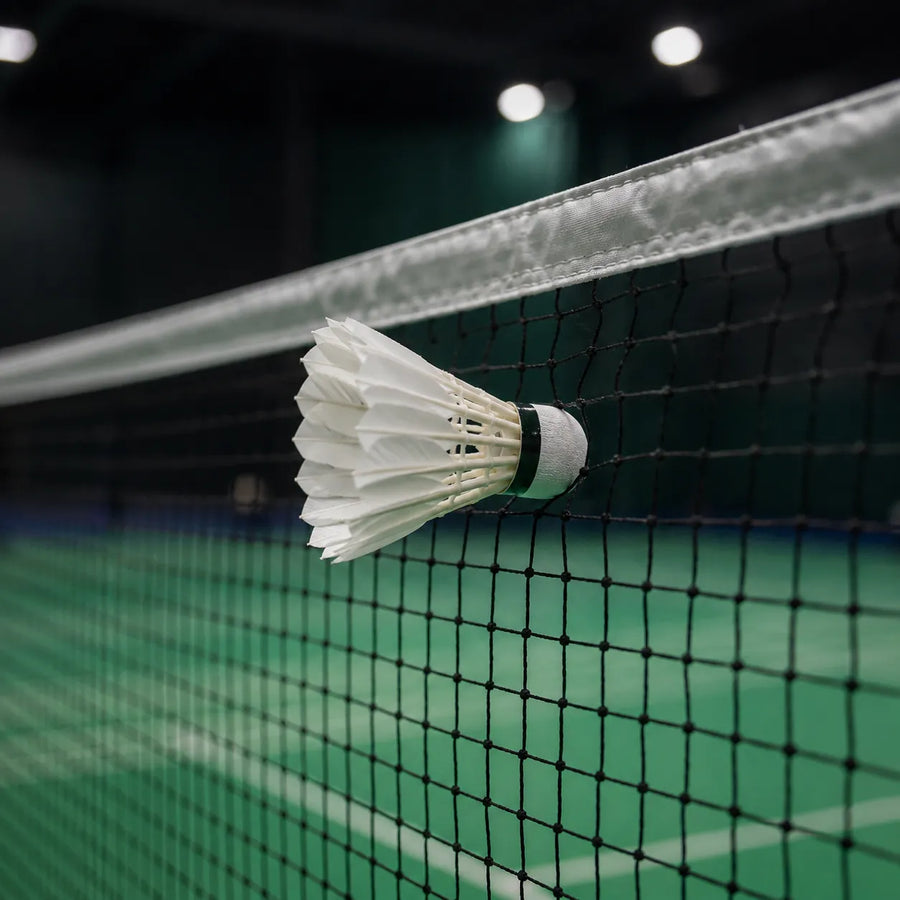
A shuttle brushing the net often causes confusion because many players assume any contact automatically ends the rally. Others continue playing without knowing whether the shuttle touching the net is legal, confusing it with faults, lets, or player contact.

Understanding this rule helps players judge rallies correctly, avoid unnecessary disputes, and make better decisions during both casual and competitive matches.
Is a Shuttle Touching the Net Legal in Badminton?

When Is a Shuttle Touching the Net Legal?

A shuttle touching the net is legal if it crosses the net and lands inside the correct court. This applies during both serves and rallies, provided every other requirement of the shot has been met. The shuttle may clip the tape, skim the net cord, or brush the top of the net before continuing into the opponent's side.

A fault occurs only when the shuttle fails to complete a legal return. If it strikes the net and falls back onto the striker's side, or never crosses the net at all, the rally ends immediately. The deciding factor is not the contact with the net but whether the shuttle successfully reaches the opponent's court.

Many players react to the sound of the shuttle hitting the tape instead of watching its complete flight. Waiting until the shuttle becomes dead leads to more accurate decisions and fewer unnecessary interruptions during play.

For a broader understanding of badminton rules and how they connect across the game, explore our badminton guide.

Why Does This Rule Exist?

Badminton rewards the result of the shot rather than demanding a perfect flight path. A delicate net shot that clips the tape before landing inside the opponent's court still demonstrates control and precision, so it remains a legal return.

The same principle applies during service. A serve that brushes the net and still lands inside the correct diagonal service court remains legal because the receiving player still has an equal opportunity to return it. This approach keeps rallies fair while preserving the challenge of playing close to the net.

Officials therefore judge where the shuttle finishes rather than whether it touched the net during its journey. Consistent application of this principle allows matches to flow naturally without penalizing skillful shots unnecessarily.

How Is the Rule Applied During Matches?

Officials watch the shuttle's complete flight before making a decision. Net contact alone never determines the outcome of a rally.

A spinning net shot that grazes the tape before dropping into the opponent's forecourt remains in play because the shuttle crossed the net and landed inside the court. The same applies when a serve clips the tape and lands within the correct service court.

Different outcomes lead to different decisions. A smash that strikes the tape and falls back onto the hitter's side immediately ends the rally because the shuttle never crossed the net. Likewise, a serve that touches the net but fails to reach the correct service court is a service fault.

Many players also confuse this situation with touching the net using the racket or body. Those situations are governed by different laws and should not be confused with shuttle contact. For a more detailed explanation of related match situations and official interpretations, visit our badminton rules & formats guide.

Common Misconceptions and Practical Tips

One of the biggest misconceptions is believing every shuttle that touches the net is automatically out. A shuttle remains in play whenever it crosses the net and lands within the correct boundaries.

Another misunderstanding is that every serve touching the net should be replayed. Under the current Laws of Badminton, a serve that clips the net and lands correctly remains a legal serve.

Players also confuse shuttle contact with player contact. A shuttle may legally touch the net, while a player touching the net with the racket, clothing, or body during a live rally may commit a fault under a separate rule.

The simplest habit is to continue playing until the shuttle becomes dead. Watching the shuttle's complete flight instead of reacting to the sound of the tape helps players make more accurate decisions and reduces disagreements during both recreational and competitive matches.

Summary

A shuttle touching the net is legal when it crosses the net and lands inside the correct court. The outcome of the shot determines whether play continues, not the contact with the net itself.

Understanding this distinction helps players make faster decisions, avoid unnecessary disputes, and play with greater confidence during both serves and rallies. If you're still building your understanding of badminton fundamentals, our beginner's guide is the perfect next step.