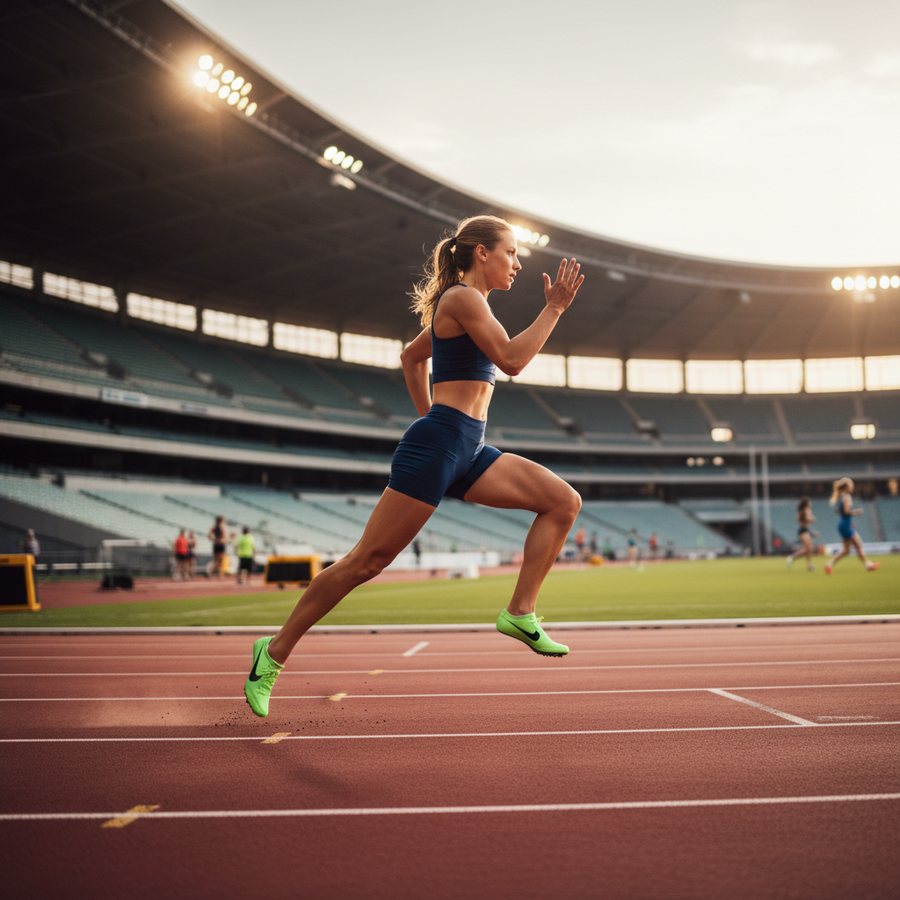
Athletics Gear Purchase

Best Athletics Gear for Training and Competition

Choosing athletics gear can be confusing because the sport covers sprinting, distance running, jumps, and throws, all with different equipment needs. The wrong setup can affect comfort, safety, and how well you perform in training or competition.

This article will help you understand the most useful athletics gear so you can choose equipment that fits your event, your level, and your goals.

Best Athletics Gear for Training and Competition

Start with the essentials

The first step in athletics is to focus on the gear that affects every session, not the items that only look advanced. For most athletes, that means shoes, clothing, socks, and any event-specific equipment that supports safe movement and proper technique. Good footwear matters because track work, field events, and road sessions all place different demands on the body. Clothing matters too, because it should allow freedom of movement, reduce distractions, and handle sweat well during hard training.

Athletics also rewards simplicity. If your base kit is comfortable and reliable, you can concentrate more on pace, form, rhythm, and recovery. That is especially important for beginners, who often benefit more from gear that fits well and feels predictable than from premium products with features they may not need yet.

Use the athletics guide to understand the sport

To choose gear wisely, it helps to see how training and competition fit into the wider sport. A detailed athletics guide gives readers the full view of athletics, where they can explore every content category including Gear Guides, Skills & Techniques, Rules & Formats, Training & Conditioning, and Beginner's Guide. That wider context helps athletes understand why gear needs change between sprinting, middle distance, long distance, jumps, and throws.

This matters because every event asks for something slightly different. A sprinter may want lightweight, responsive footwear and clothing that does not restrict explosive movement, while a distance runner may care more about comfort, breathability, and repeatable support over longer sessions. Field athletes may need event-specific implements or supportive gear that helps with grip, stability, or technique. When you understand the sport structure first, it becomes much easier to choose equipment that actually helps your event.

Compare event-specific gear carefully

Once you know the basics, the next step is to compare gear based on event demands. A focused athletics gear guide helps readers explore more articles focused on equipment, buying guides, gear comparisons, recommendations, and product selection. That makes it easier to compare shoes, apparel, accessories, and event-specific tools without getting lost in generic product claims.

For athletics, the main comparison points are fit, weight, support, durability, and how the item performs under repeated use. For shoes, this might mean checking how stable they feel on the track or road, how much cushioning they offer, and whether they suit the distance or event. For clothing, breathability and freedom of movement matter most, especially during longer or hotter sessions. For event equipment, the right size, build quality, and consistency can make a real difference in training quality and competition readiness.

Choose gear that fits your goals

The best athletics gear is the gear that matches your current goals and the way you train most often. If you are building a base, start with dependable essentials that are comfortable, durable, and easy to use across many sessions. If you are preparing for competition, think more carefully about event-specific performance, such as responsiveness, support, and whether the gear helps you execute your technique cleanly.

It also helps to avoid buying too much too early. Many athletes spend money on advanced items before they have sorted out fit, basic comfort, or consistent training habits. A better approach is to upgrade in stages, beginning with the items you use most often and the ones that influence safety and performance the most. That usually gives better value and less regret.

Finally, remember that athletics gear should support progress, not distract from it. If a product causes rubbing, slips during movement, or feels unstable under load, it is probably not the right choice no matter how popular it is. The best purchase is the one that helps you train with confidence, recover comfortably, and focus on execution.

Summary

Athletics gear should support your event, your training load, and your level of experience. If you are new to the sport or want to strengthen your fundamentals before upgrading equipment, the beginner's guide offers beginner-friendly articles that explain the basics in a simple, practical way. Choosing gear with your goals in mind helps you build a kit that stays useful as you improve.

EDIT Gear for Athletics

Gear Coming Soon