Football Rules Learn

Best Conditioning Drills to Improve Football Fitness

Many football players struggle to maintain their energy and sharpness during the final stretch of a match, often losing pace and precision due to poor conditioning. Without a structured approach to fitness training, even technically skilled players can tire quickly and lose their competitive edge.

This article breaks down some of the best conditioning drills that can help football players build lasting fitness and perform consistently throughout a match.
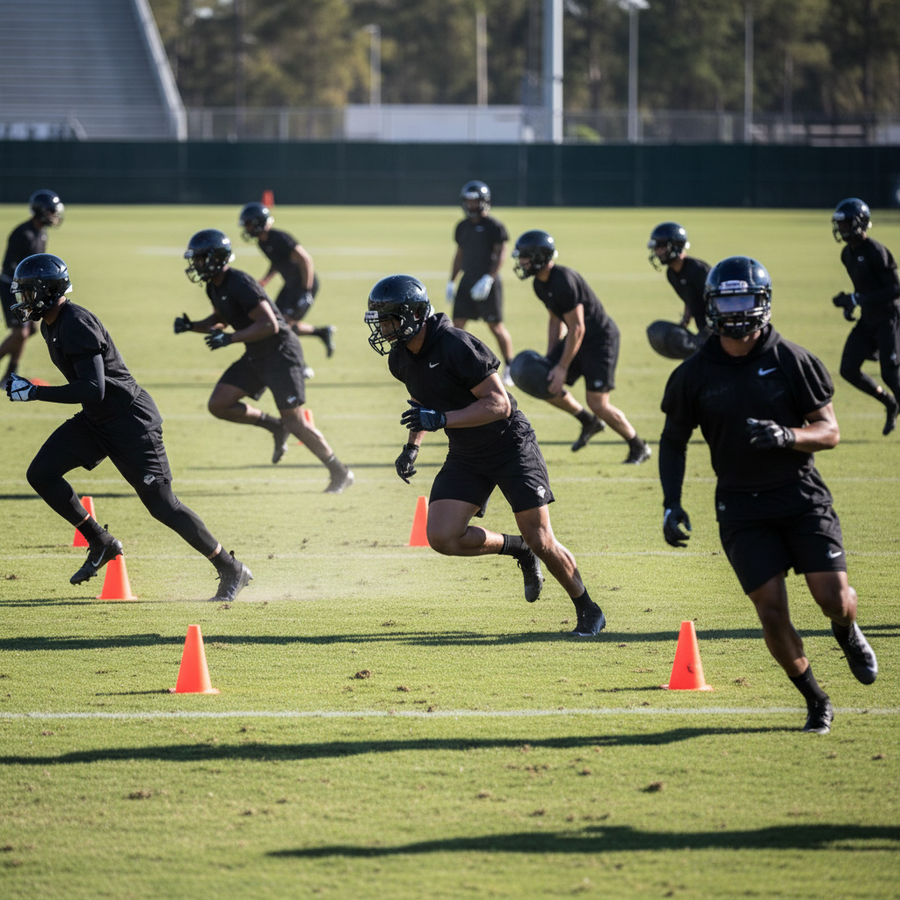
Best Conditioning Drills to Improve Football Fitness

Why Conditioning Matters in Football

Football demands a unique blend of aerobic endurance and short bursts of explosive effort, as players cover long distances while also sprinting, tackling, and changing direction repeatedly. Poor conditioning often shows up in the final 15-20 minutes of a match, when fatigue leads to slower decision-making and reduced physical output. Building strong aerobic and anaerobic fitness allows players to sustain their intensity levels for the full duration of a game, supporting better positioning, recovery between sprints, and overall performance under pressure.

Structuring an Effective Conditioning Routine

A good conditioning routine balances different types of training, including steady-state running for aerobic base building and interval-based sprints for anaerobic capacity. Coaches often combine shuttle runs, hill sprints, and small-sided games to simulate the stop-start nature of a real match, rather than relying solely on long-distance running. For players looking to build a complete training approach beyond conditioning alone, this football guide covers additional areas like technical skills, tactical understanding, and match preparation.

Formats and Structures Used in Conditioning Drills

Conditioning drills are typically organized into specific formats, such as interval training, fartlek runs, and repeated sprint sets, each targeting different energy systems used during a match. Interval formats often alternate between high-intensity efforts and short recovery periods, closely mirroring the physical demands players face on the field. Understanding how these formats fit into a season-long training plan is easier with this rules & formats resource, which explains how structured training principles apply across different football training methods.

Common Misconceptions and Practical Tips

A common misconception is that running long distances alone is enough to build football fitness, when in reality, the sport requires a mix of endurance and explosive speed. Another misunderstanding is that conditioning should only be done during preseason; in fact, maintaining fitness levels throughout the season helps prevent fatigue-related injuries and performance drops. Players should also prioritize proper recovery between intense sessions, as overtraining without adequate rest can lead to burnout and reduced training quality.

Summary

Conditioning is a key part of football fitness that directly influences a player's ability to perform consistently throughout a match. Following a structured routine that balances different training formats leads to steady, lasting improvement. Beginners looking for a starting point can check out this beginner's guide for further guidance.