Yoga Techniques Learn

Building a Daily Yoga Practice | Technique and Consistency

Readers lose consistency when the practice is too long, too demanding, or too irregular to repeat daily, and the routine starts feeling easier to skip than to keep.

This article explains how to build a stable routine that survives busy schedules and changing energy.
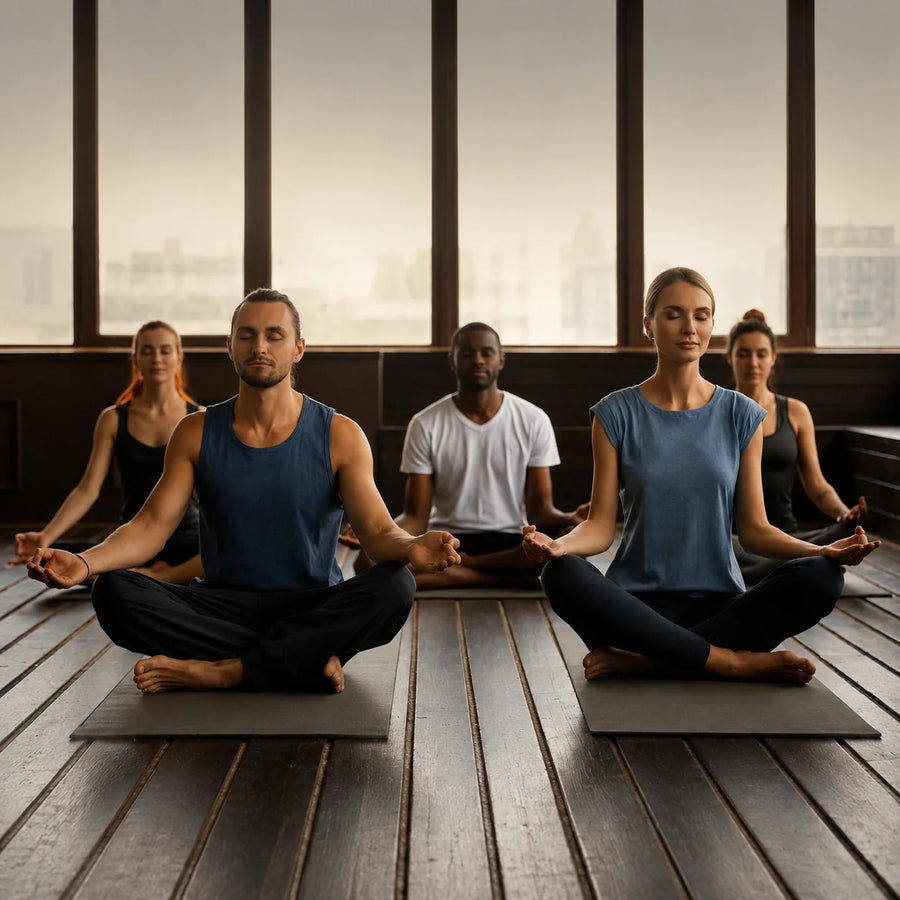
Building a Daily Yoga Practice | Technique and Consistency

How to Structure a Daily Yoga Practice That Actually Sticks

A daily practice should be small enough to repeat and clear enough to remember. A 15 to 30 minute flow is usually more durable than a long session that only works once in a while. The goal is consistency, not exhaustion.

Build from a few positions you can return to without needing extra decision-making. A short sequence becomes useful when the order stays familiar and the transitions stay manageable. That is what makes the practice sustainable across busy days.

Use the yoga guide when you want the wider practice structure around this routine.

The Habit Stacking Technique for a Consistent Yoga Routine

Habit stacking makes the practice easier to start because the yoga routine attaches to something that already happens every day. Morning coffee, brushing teeth, or setting up a desk can become the trigger that signals practice time.

The physical setup matters as much as the calendar cue. If the mat, towel, and small accessories are ready in one place, the practice begins with less resistance. The body and the routine learn to expect the same sequence.

That repeatable setup belongs in the yoga techniques guide because technique is not only movement. It is also how the practice starts.

How to Adapt Your Daily Yoga Practice When Energy Is Low

Body listening is part of technique. Some days support active sequences. Other days need slower work, longer holds, and restorative shapes that reduce load instead of adding it.

If the body feels drained, lower the intensity instead of forcing a full version of the plan. Shorten the flow, remove aggressive vinyasas, and keep the practice focused on recovery and control. That prevents burnout and keeps the habit intact.

For newer practitioners, the routine should stay simple while the habit is still forming.

What to Look for in a Yoga Bag for Daily Practitioners

Consistency depends on removing friction from the routine, so the bag has to make daily movement easier, not harder. It should carry the mat, towel, and small essentials without turning the commute into a second task.

Look for space that keeps gear organized, straps that stay comfortable, and access that does not slow the day down. That is what EDIT designed its yoga bag collection to handle, so the trip to practice does not become the reason to skip it.

The starting setup connects the routine with the simplest gear choices.

Summary

A daily yoga practice works when it stays short, repeatable, and easy to begin. The beginner's guide shows the starting point before consistency turns into habit.