Cricket Rules Learn

Cricket Fitness Training for Better Match Performance

Many cricketers struggle to maintain their intensity and focus across long innings or full days on the field, often losing sharpness as fatigue sets in. Without proper fitness training, even skilled players can find their reflexes slowing and their movement becoming less efficient during crucial match moments.

This article breaks down cricket fitness training and how it helps players sustain better performance throughout a match.
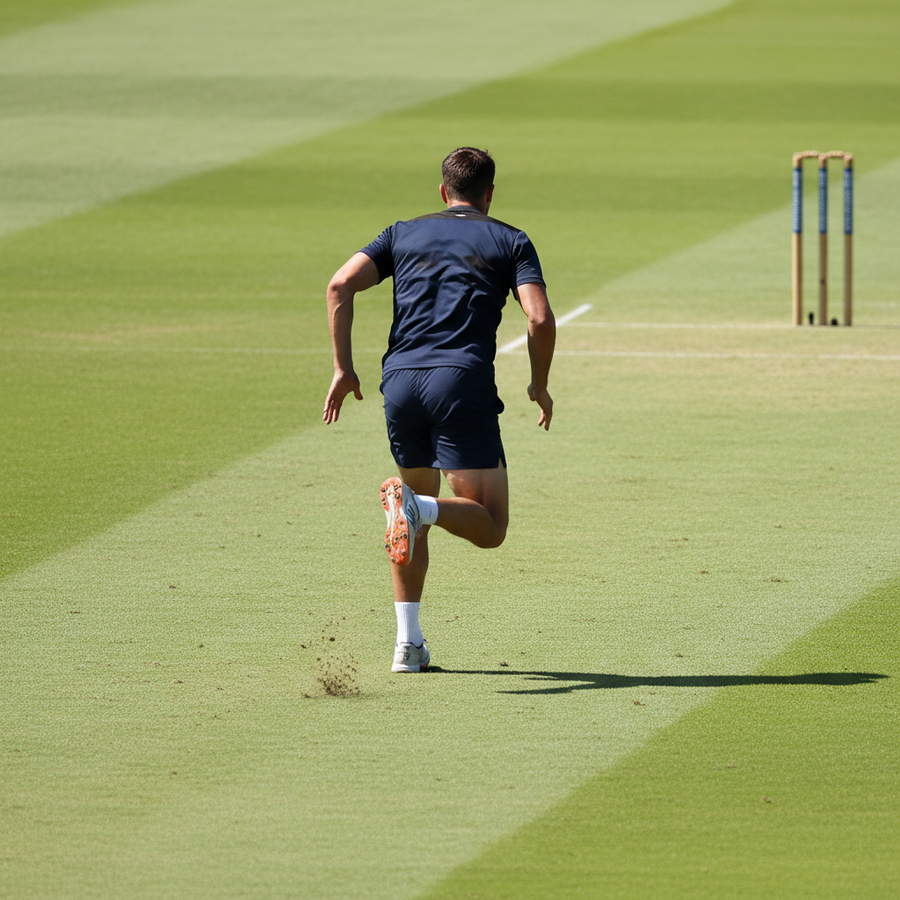
Cricket Fitness Training for Better Match Performance

Why Fitness Matters in Cricket

Cricket may not involve constant running, but it demands short bursts of sprinting between wickets, quick reactions in the field, and sustained concentration over several hours. Fitness levels directly affect a player's ability to maintain sharp reflexes, quick footwork, and consistent bowling or batting form as a match progresses. Players who neglect fitness training often experience a noticeable decline in performance during the final sessions of a long day, particularly in longer formats of the game.

Building a Cricket-Specific Fitness Routine

A cricket fitness routine typically combines short sprint work for running between wickets, agility drills for fielding, and endurance training to sustain focus over long periods. Coaches often include shuttle runs, reaction drills, and core stability exercises to address the specific physical demands of batting, bowling, and fielding. Players looking for a complete training approach beyond fitness alone can refer to this cricket guide, which covers additional areas like technique, strategy, and match preparation.

Formats Used in Cricket Fitness Training

Cricket fitness sessions are often organized into specific formats, such as interval sprints, circuit training, and skill-based conditioning drills that combine fitness work with cricket movements like throwing or running. These formats are typically adjusted based on a player's role, since bowlers, batters, and fielders each have different physical demands. Understanding how these training formats are structured is easier with this rules & formats resource, which explains how structured training principles apply across cricket-specific fitness work.

Common Misconceptions and Practical Tips

A common misconception is that cricket fitness only matters for fast bowlers, when in reality, batters and fielders also benefit significantly from improved speed, agility, and endurance. Another misunderstanding is that fitness training should be separate from skill practice; combining the two, such as sprinting between wickets during batting drills, often produces better results. Players should also prioritize proper warm-ups and recovery, since cricket's stop-start nature can increase the risk of muscle strains without adequate preparation.

Summary

Fitness training plays a significant role in helping cricketers maintain sharpness and consistency throughout a match. Building a routine that combines sprint work, agility drills, and endurance training supports better performance in every format of the game. Beginners looking for a starting point can explore this beginner's guide for additional guidance.