Swimming Beginners Learn

How Should a Beginner Start Swimming?

Many people who want to learn swimming do not know where to begin, and the pool can feel like an intimidating place when you have no experience with water confidence, breathing technique, or basic strokes. Without a clear starting point, most beginners either struggle on their own for months or give up before they find any rhythm.

This article covers exactly how to approach swimming as a complete beginner, from building comfort in the water to learning your first proper stroke.
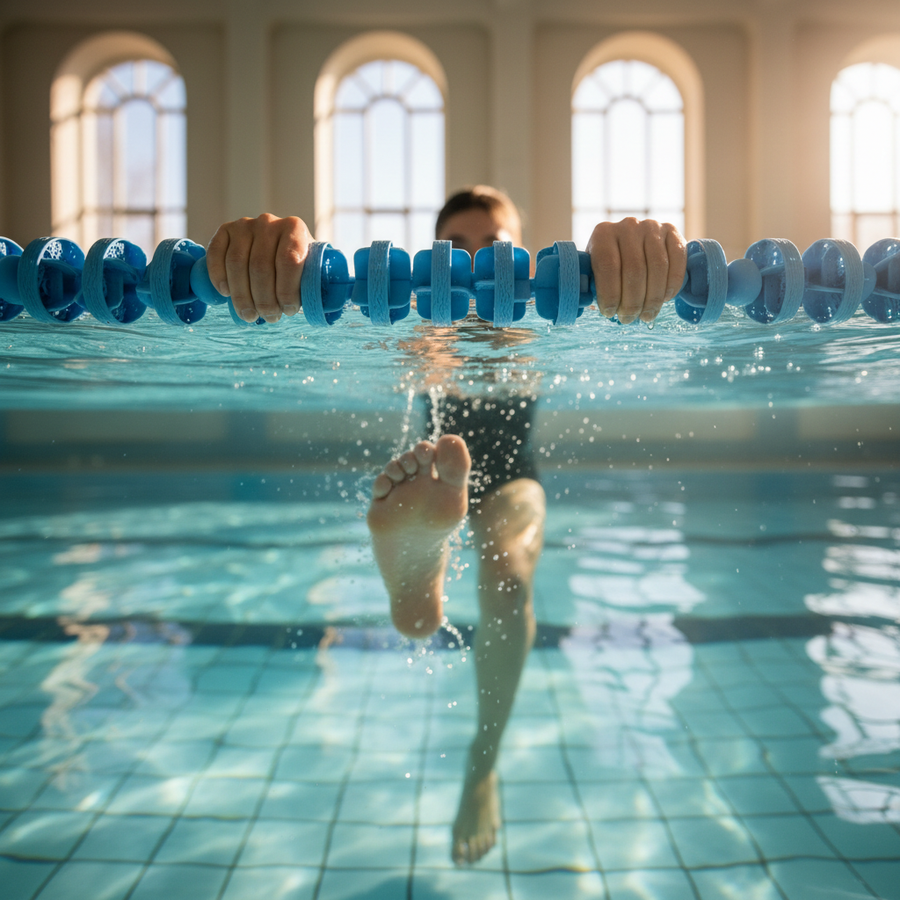
How Should a Beginner Start Swimming?

Getting Comfortable in the Water Before Anything Else

The single biggest barrier for most beginner swimmers is not fitness or coordination. It is comfort in the water. Before learning any stroke, a new swimmer needs to feel at ease submerging, floating, and moving through the water without panic. This stage is often skipped by people who try to jump straight into lap swimming, and it is the main reason so many beginners stall early. Swimming coaches and national governing bodies such as Swim England consistently place water familiarisation at the foundation of any learn-to-swim programme.

Start in the shallow end where you can stand with your head above water. Practice submerging your face, blowing bubbles through your nose and mouth, and lifting your head to breathe. These small actions build the reflex control that underpins every breathing technique used in real swimming. Once submerging feels natural, practice floating on your back with your arms out. Back floating is one of the most useful skills a beginner can have because it allows you to rest and breathe without treading water. Most people find it takes several sessions before floating feels relaxed rather than forced, and that is completely normal. You can find a full breakdown of these early stages in the swimming guide.

The First Skills Every Beginner Should Learn

Once water comfort is established, there are three foundational skills every beginner should develop before attempting a full stroke. The first is the freestyle kick, also called the flutter kick. Holding the pool wall or a kickboard, extend your body flat on the water and kick from the hips with straight but relaxed legs. The movement should come from the upper leg, not the knee or ankle. A stiff, bent-knee kick is one of the most common early errors and creates drag rather than propulsion.

The second skill is rotational breathing. In freestyle swimming, you breathe by rotating your head to one side as your arm pulls through the water, not by lifting your head straight up. Lifting the head disrupts body position and slows you down significantly. Practice this standing in shallow water first: turn your head to one side, breathe in, return to centre, breathe out into the water. The third skill is the arm pull. Each arm moves in an alternating pattern, entering the water fingertips first, pulling back along the body line, and recovering over the surface. Combining kick, breathing, and arm pull into a coordinated freestyle stroke takes time, and beginners should work on each element separately before putting them together.

Common Beginner Mistakes and How to Correct Them

Several mistakes appear repeatedly among new swimmers, and recognising them early saves a lot of wasted effort. The most common is holding the breath underwater rather than exhaling continuously. Many beginners inhale at the surface, then hold that breath while their face is in the water, which means when they turn to breathe again they have to exhale and inhale in the same brief moment. The correct approach is to breathe out slowly and steadily through the nose or mouth while the face is submerged, so only a quick inhale is needed when the head turns.

Another frequent error is swimming with a raised head position. Looking forward rather than downward causes the hips and legs to sink, which creates significant resistance and makes every stroke harder than it needs to be. The eyes should face the pool floor, with the waterline sitting roughly at the forehead. Beginners also tend to over-rotate when breathing, rolling the whole body instead of just the head and shoulder. The hips should stay relatively level while the upper body rotates enough to clear the mouth from the water. A coach or even a recording of yourself swimming is often the fastest way to identify which of these errors you are making, since most swimmers cannot feel them while they are happening.

How to Structure Your First Few Weeks in the Pool

A structured approach to the first few weeks makes learning significantly more efficient than unplanned pool visits. In the first week, focus entirely on water comfort: submersion, bubble breathing, back floating, and gentle kicking with the wall for support. Do not try to swim lengths yet. Two or three sessions of 30 to 40 minutes each is enough at this stage. The goal is not distance but familiarity with how the water feels around the body.

From the second week onward, introduce the kickboard and work on your flutter kick across short distances. Add rotational breathing practice in the shallow end without movement. By the third or fourth week, begin linking kick and arms together over half a length at a time, stopping to rest rather than struggling through fatigue. Joining a beginner lane at a local pool or enrolling in adult swimming lessons with a qualified instructor accelerates progress considerably compared to self-teaching. Most public pools offer structured beginner programmes that follow nationally recognised frameworks, which take the guesswork out of what to practise and in what order.

Summary

Starting swimming as a beginner is about building water confidence first, then developing the three core skills of kicking, breathing, and arm technique before attempting full stroke lengths. Structured sessions focused on one element at a time produce faster and more consistent progress than trying to swim laps from day one. For a full roadmap of where to go next, the beginner's guide covers the complete learning progression.