Swimming Rules Learn

How to Build Better Endurance in Swimming

Many swimmers struggle to maintain their pace and technique over longer distances, often slowing down or losing form as fatigue builds during a race or long set. Without focused endurance training, even strong swimmers can find their energy fading well before the finish.

This article breaks down how to build better endurance in swimming so athletes can maintain pace and technique for longer periods.
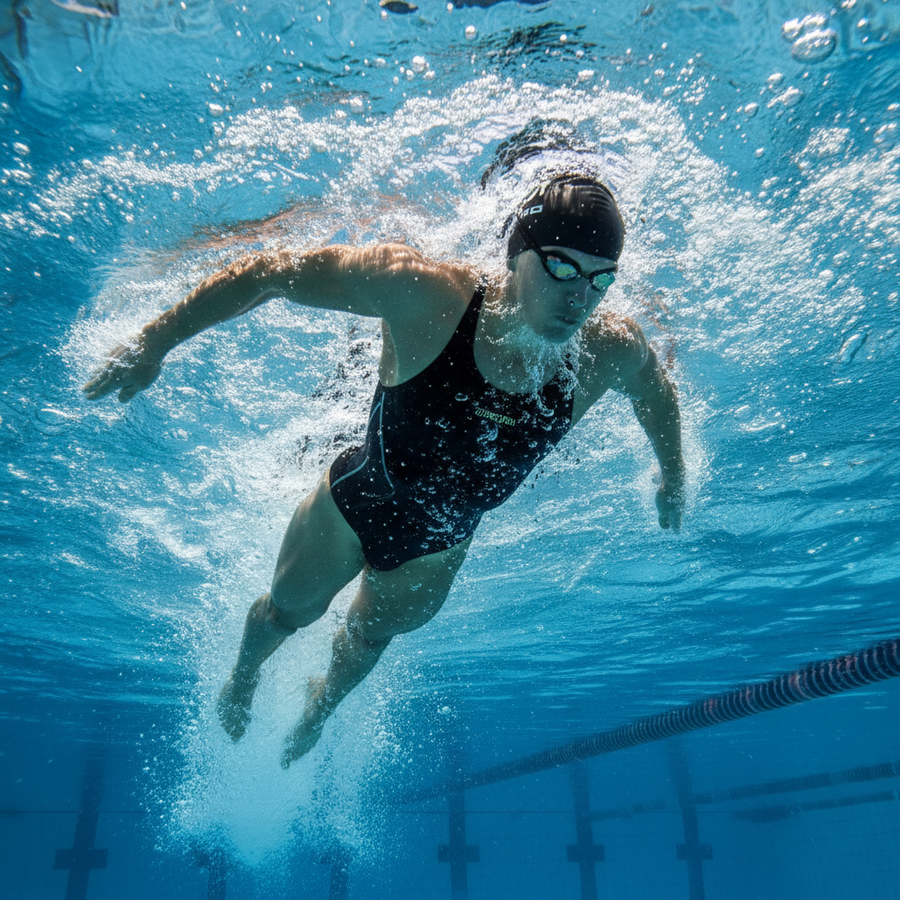
How to Build Better Endurance in Swimming

Why Endurance Matters in Swimming

Endurance in swimming refers to the ability to maintain efficient technique and consistent pace over an extended distance or duration, rather than just short bursts of speed. Swimmers with weak endurance often experience a breakdown in stroke technique as fatigue sets in, leading to slower times and increased energy expenditure. Building strong aerobic capacity allows swimmers to sustain a steady pace, recover more quickly between efforts, and maintain form even during the later stages of a race or long training set.

Building a Structured Endurance Program

A well-rounded endurance program typically combines long, steady-paced swims with interval sets that push the heart rate higher for shorter periods. Coaches often use a mix of distance sets, pace work, and threshold training to gradually increase a swimmer's aerobic base while also building tolerance for race-pace efforts. Swimmers looking for a complete training approach beyond endurance alone can refer to this swimming guide, which covers additional areas like technique, stroke mechanics, and race strategy.

Formats Used in Swimming Endurance Training

Endurance training in swimming is often structured into formats such as long continuous swims, descending sets, and interval training with set rest periods between repetitions. Interval formats allow swimmers to target specific paces while controlling recovery time, which helps build both aerobic and anaerobic capacity depending on the structure used. Understanding how these training formats are organized is easier with this rules & formats resource, which explains how structured training principles apply across different swimming training methods.

Common Misconceptions and Practical Tips

A common misconception is that endurance training means swimming slowly for long periods without variation, when in reality, effective endurance work often includes pace changes and controlled intensity. Another misunderstanding is that endurance and speed training are separate goals that cannot be developed together; in practice, many training plans blend both throughout a season. Swimmers should also pay attention to stroke technique during longer sets, since fatigue can cause form to break down and reduce overall efficiency in the water.

Summary

Endurance is a foundational quality that allows swimmers to maintain pace, technique, and energy across longer distances. Combining steady swims with structured interval training leads to gradual, lasting improvement in aerobic capacity. Beginners looking for a starting point can explore this beginner's guide for additional guidance.