Table tennis Techniques Learn

How to Put Spin on Your Table Tennis Serve

Readers struggle to control the first shot when the serve contact is flat instead of brushed, because the ball leaves the racket without enough rotation to create real deception.

This guide shows how to generate spin with the right brushing mechanics and serve setup.
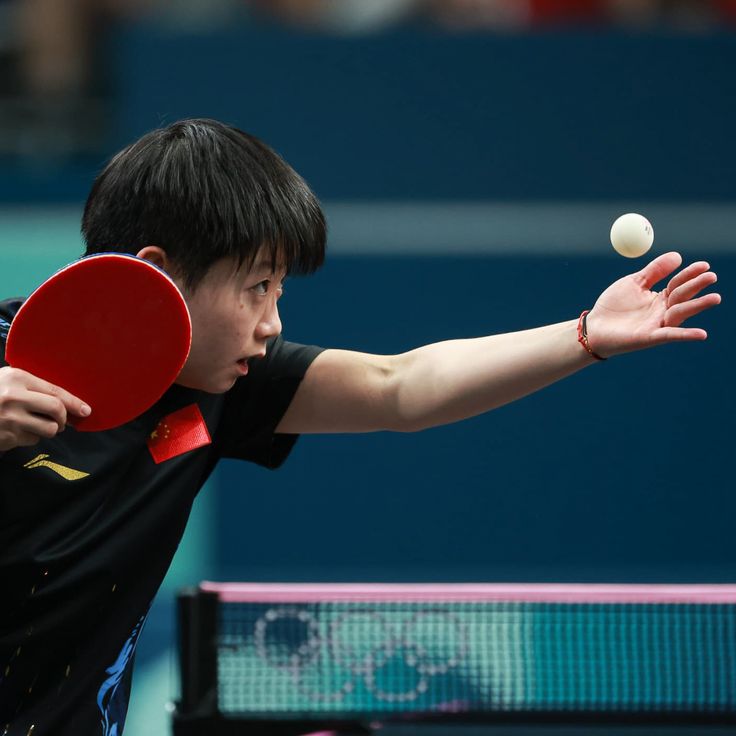
How to Put Spin on Your Table Tennis Serve

The Mechanics of Spin | Brushing vs Hitting the Ball

Spin starts with brushing contact, where the racket grazes the ball instead of driving straight through it. Hitting sends the ball forward with speed, but brushing creates rotation that changes how the ball behaves after the bounce. The table tennis guide gives the wider context for how spin fits into table tennis as a whole.

How to Generate Heavy Backspin on Your Serve

A pendulum backspin serve relies on an open racket angle, a relaxed wrist, and contact on the lower half of the ball. The brushing action should stay smooth and controlled so the serve drops, skids, or reverses after the bounce instead of floating long.

Mastering Topspin and Sidespin Serves to Confuse Opponents

Topspin serves brush upward across the top half of the ball, while sidespin comes from a last-moment lateral wrist move that bends the flight path. The two can be combined to make the return feel unpredictable and difficult to read cleanly.

The table tennis skills and techniques guide covers how to develop spin serves and how to read and return spin from an opponent.

What to Look for in a Table Tennis Cover Between Sessions

A rigid cover protects the racket rubber from dust, friction, and pressure between sessions, which keeps the tacky surface more consistent for spin work. EDIT designed its table tennis cover to keep the bat ready each time you return to the table.

Summary

A deceptive spin serve can control the rally before the opponent even settles into position. The beginner's guide helps players learn the foundations.