Badminton Rules Reference

Understanding Illegal Badminton Serves and Service Faults

Service faults are among the most common reasons players lose points before a rally has even begun because many illegal serves look perfectly normal at first glance. Confusion usually comes from misunderstanding serving height, racket movement, foot position, or the difference between a legal action and an illegal one.

Understanding what makes a serve illegal helps players avoid preventable faults and start every rally within the Laws of Badminton.
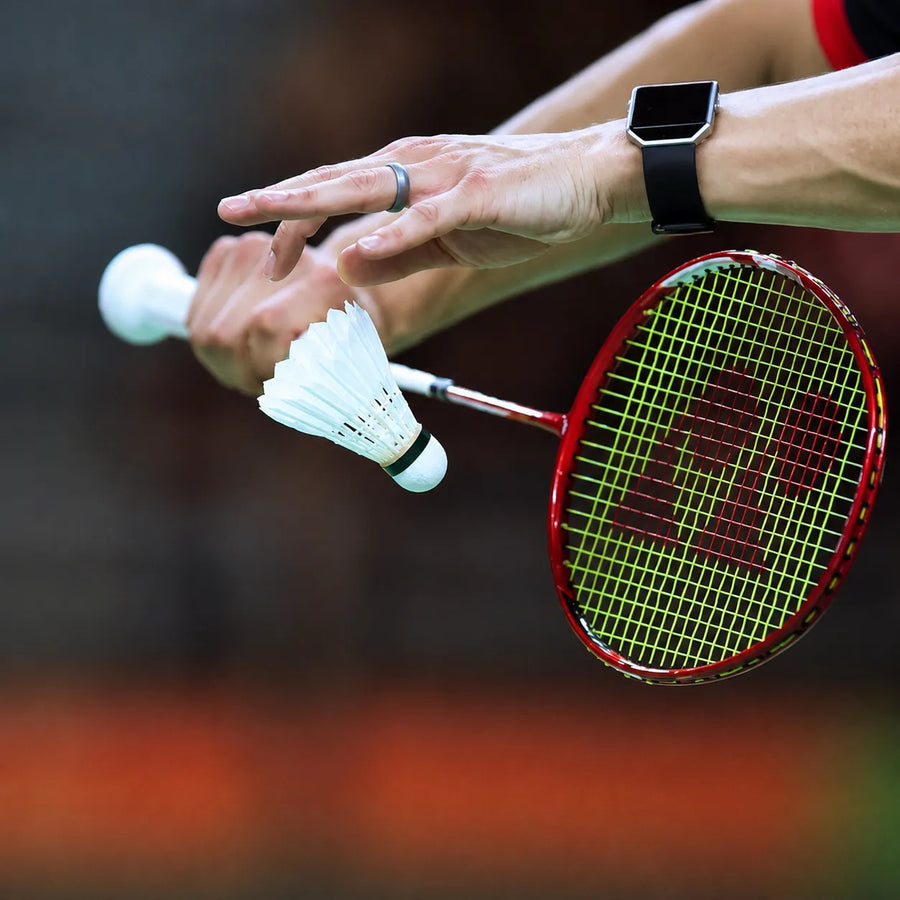
Understanding Illegal Badminton Serves and Service Faults

What Makes a Badminton Serve Illegal?

A badminton serve must satisfy several conditions at the moment the shuttle is struck. The shuttle must be contacted below the permitted serving height, the racket must move continuously forward, both feet must remain in contact with the court until the serve is delivered, and the shuttle must travel diagonally into the correct service court.

Breaking any of these requirements results in a service fault. The shuttle does not have to travel poorly for the serve to become illegal. A perfectly placed serve can still be faulted if the server lifts a foot, pauses during the racket movement, or contacts the shuttle incorrectly.

Officials judge the complete serving action rather than the final result. This means a serve may look successful to spectators while still breaking one or more service laws.

For a complete understanding of badminton fundamentals and match procedures, explore our badminton guide.

Why Do Service Fault Rules Exist?

Service rules are designed to give both players an equal opportunity at the beginning of every rally. Without clear restrictions, servers could gain an unfair advantage through excessive deception, illegal contact points, or exaggerated serving actions.

The continuous forward movement rule prevents players from stopping and restarting the racket to confuse the receiver. Height restrictions stop servers from striking the shuttle from an attacking position, while foot position requirements ensure the serve begins from a stable and predictable stance.

These rules create consistency across every level of badminton. Whether the match is played recreationally or at an international tournament, every player begins the rally under the same serving conditions.

How Are Service Faults Judged During Matches?

Service judges and umpires focus on the serving action at the exact moment of contact. They observe the shuttle height, racket movement, foot position, and service direction before deciding whether the serve is legal.

A common example occurs when a player pauses the racket just before striking the shuttle. Even if the shuttle lands perfectly inside the service court, interrupting the continuous forward motion may result in a service fault.

Another situation involves foot movement. If either foot leaves the court before the shuttle is struck, the serve becomes illegal regardless of where the shuttle lands. Players also commit faults by serving into the wrong service court or by striking the shuttle above the permitted serving height.

Many recreational players believe only the shuttle landing matters. Official matches are judged differently because every part of the serving action must comply with the laws. For a broader explanation of service laws and related match situations, visit our badminton rules & formats guide.

Common Misconceptions and Practical Tips

One common misconception is that a serve is legal as long as it lands inside the correct service court. Landing in the correct area is only one requirement. The serving motion itself must also follow every applicable rule.

Another misunderstanding involves deception. Players sometimes believe any deceptive serve is illegal. Deception itself is not prohibited, but it must remain within the boundaries of a continuous forward racket movement and every other serving requirement.

Some players also assume minor foot movement is ignored during competitive matches. In reality, officials watch foot position carefully because it forms part of a legal serve.

Developing a consistent pre-serve routine reduces many unnecessary faults. Checking the correct service court, maintaining a stable stance, and using the same smooth serving motion each time makes the serve more reliable under pressure. Practising the legal serving action repeatedly also builds confidence and helps prevent avoidable mistakes during competition.

Summary

Illegal badminton serves are not defined by a single mistake but by breaking one or more serving laws. Height, racket movement, foot position, service direction, and correct contact all work together to determine whether a serve is legal.

Players who understand these rules commit fewer service faults, begin rallies more confidently, and avoid giving away unnecessary points before play has properly started. If you are building your knowledge of badminton fundamentals, continue learning with our beginner's guide.