Yoga Techniques Learn

Pranayama Breathing Techniques for Beginners

Readers struggle to control the breath because shallow chest breathing makes pranayama feel vague, tense, and hard to repeat without a clear starting rhythm.

This article explains the three beginner techniques and how each one steadies the nervous system.
Pranayama Breathing Techniques for Beginners

What Is Diaphragmatic Breathing and Why It Is the Foundation of Yoga

Diaphragmatic breathing starts by letting the belly expand instead of lifting the chest. Sit or lie down, soften the shoulders, and inhale through the nose so the lower ribs and abdomen widen gently without forcing the breath or tightening the throat.

How to Do Ujjayi Breathing and the Ocean Breath Explained

Ujjayi breath uses a light throat constriction to regulate airflow and make the inhale and exhale audible. Keep the face relaxed, narrow the back of the throat slightly, and let the breath move in a smooth, even stream during physical practice.

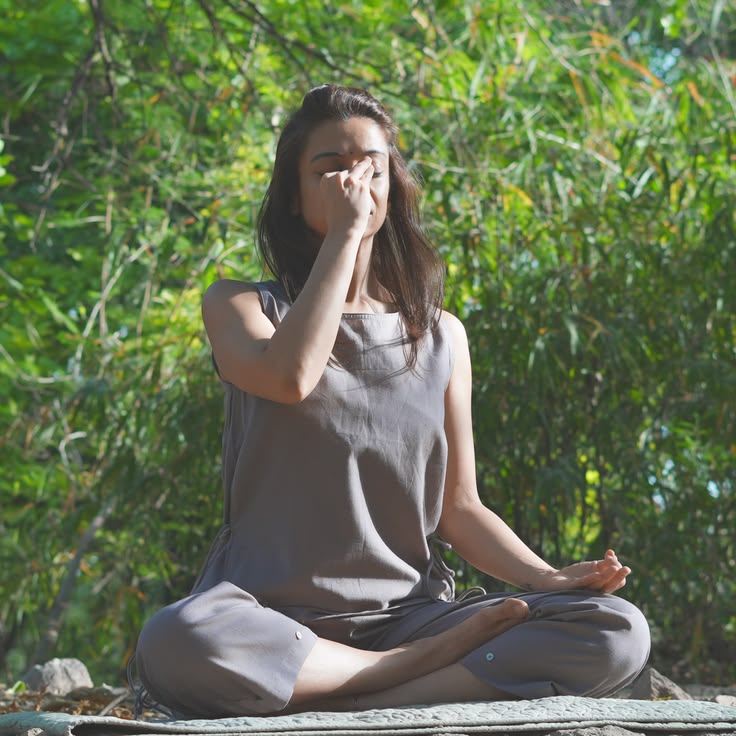
How to Do Nadi Shodhana and Alternate Nostril Breathing for Beginners

Nadi Shodhana uses Vishnu Mudra to alternate nostrils in a controlled inhale and exhale pattern. Close one side gently, inhale through the other, switch, and repeat with steady pace so the nervous system can settle without chasing speed or depth.

What to Look for in Breathwork Session Essentials

Breathwork session essentials should stay close, clean, and simple to reach. A mat that does not slide, a towel that is ready when needed, and water within arm's reach remove distractions, which helps beginners stay with the breath instead of the setup.

Summary

Pranayama becomes easier when beginners can follow clear steps, control the breath steadily, and keep the practice environment simple.