Gym fitness Techniques Learn

Progressive Overload Explained | How to Actually Get Stronger in the Gym

Readers stall in the gym when training stress stays the same for too long, and the body stops adapting because nothing meaningful changes from one session to the next.

Progressive overload explains how to increase strength in a controlled way without chasing injury or guesswork.
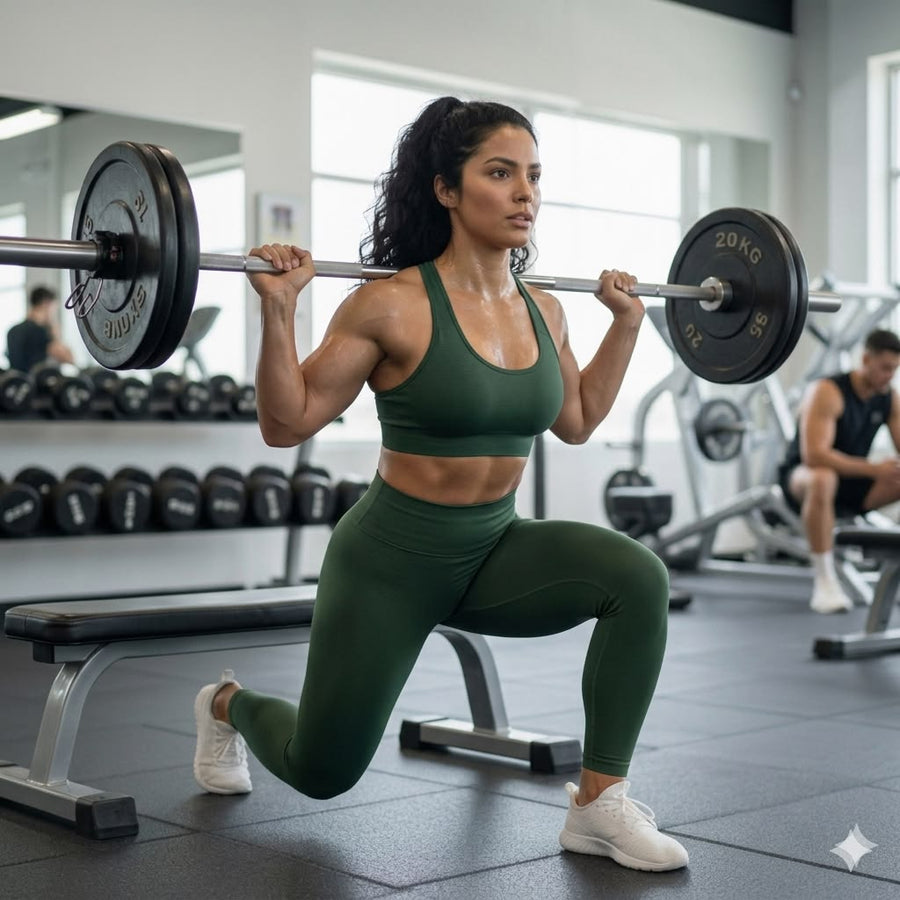
Progressive Overload Explained | How to Actually Get Stronger in the Gym

What Is Progressive Overload and Why It Is the Only Way to Get Stronger

Progressive overload means increasing training stress over time so the body has a reason to adapt. The gym and fitness guide sets the wider training context, and without change the same weights and reps eventually stop producing strength gains.

How to Apply Progressive Overload as a Gym Beginner Without Getting Injured

Beginners can overload training by adding reps, adding weight, adding sets, or reducing rest time, but only one variable should change at a time. Starting with reps before load keeps the jump manageable and reduces the chance of rushing into bad form.

How to Track Progressive Overload So You Always Know When to Progress

Tracking turns progress from a feeling into something visible. A simple log with exercise, sets, reps, weight, and rest makes it obvious when the body is ready for more and when the session still needs consolidation before adding load.

The gym skills and techniques guide helps connect overload, technique, and repeatable progression.

What to Look for in a Progressive Overload Tracking Method

An effective training log should capture the exercise name, sets, reps, weight used, rest periods, and how the session felt. Digital apps and notebooks both work, because consistency of method matters more than the format itself.

Summary

Progressive overload is the mechanism that keeps strength moving forward instead of flatlining. The beginner's guide makes the starting point clear.