Table tennis Rules Reference

Table Tennis Serve Rules Explained

Readers break serve rules when they do not know what makes a legal serve, and that leads to confusion before the first rally even begins.

This guide explains the legal serve requirements and the mistakes that make a serve invalid.
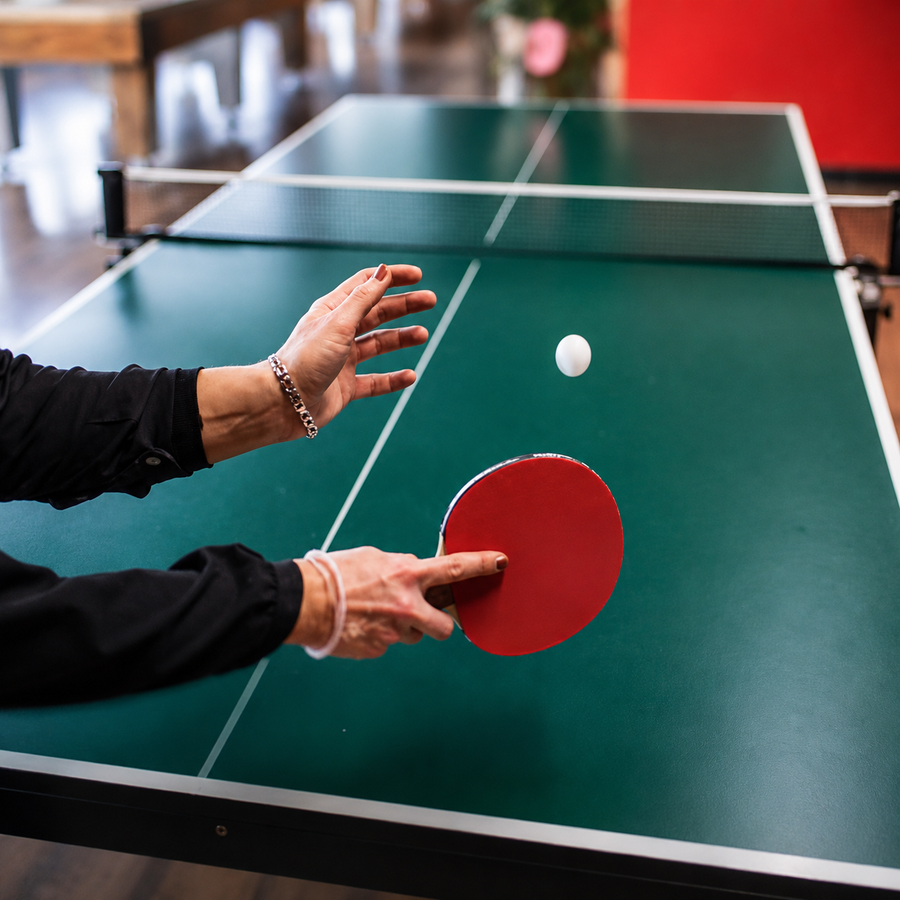
Table Tennis Serve Rules Explained

What Are the Legal Serve Rules in Table Tennis

A legal serve starts with the ball resting on the open palm, then a vertical toss of at least sixteen centimetres, and contact on the way back down. The toss must be visible to the receiver, and the ball cannot be struck behind the table edge or hidden by the body or arm. The table tennis guide covers how serve rules connect to the wider structure of competitive play.

Where Must the Ball Be Visible When Serving in Table Tennis

The receiver must be able to see the ball and the striking action from start to finish, which means the body, torso, and free arm cannot hide the contact point. Hiding the serve is a common illegal action because it removes the opponent's ability to read the ball.

What Makes a Table Tennis Serve Illegal

Common illegal serves include tossing the ball too low, tossing at an angle instead of vertically, striking before the toss reaches its peak, or using the free arm to block visibility.

The table tennis rules and formats guide covers the full serve ruleset and how umpires apply it in official competition.

What to Look for in a Table Tennis Cover Between Sessions

A rigid cover keeps dust, pressure, and heat from changing the rubber's tackiness between practice sessions. EDIT designed its table tennis cover to keep the bat protected so the next legal serve starts from the same clean surface.

Summary

Serve rules keep table tennis fair by making every legal contact visible to the receiver. The beginner's guide helps players learn the basics.