Hockey Beginners Learn

How to Start Playing Hockey as a Beginner

Hockey is a fast-moving team sport with specific rules, equipment requirements, and positional demands that can leave a complete beginner unsure of where to even begin. Without a clear starting point, new players often spend their first months confused about the rules, playing out of position, or using equipment that does not suit their level.

This article explains exactly how to get started with hockey as a beginner, covering the basics of the game, what equipment you need, and how to find your first club.
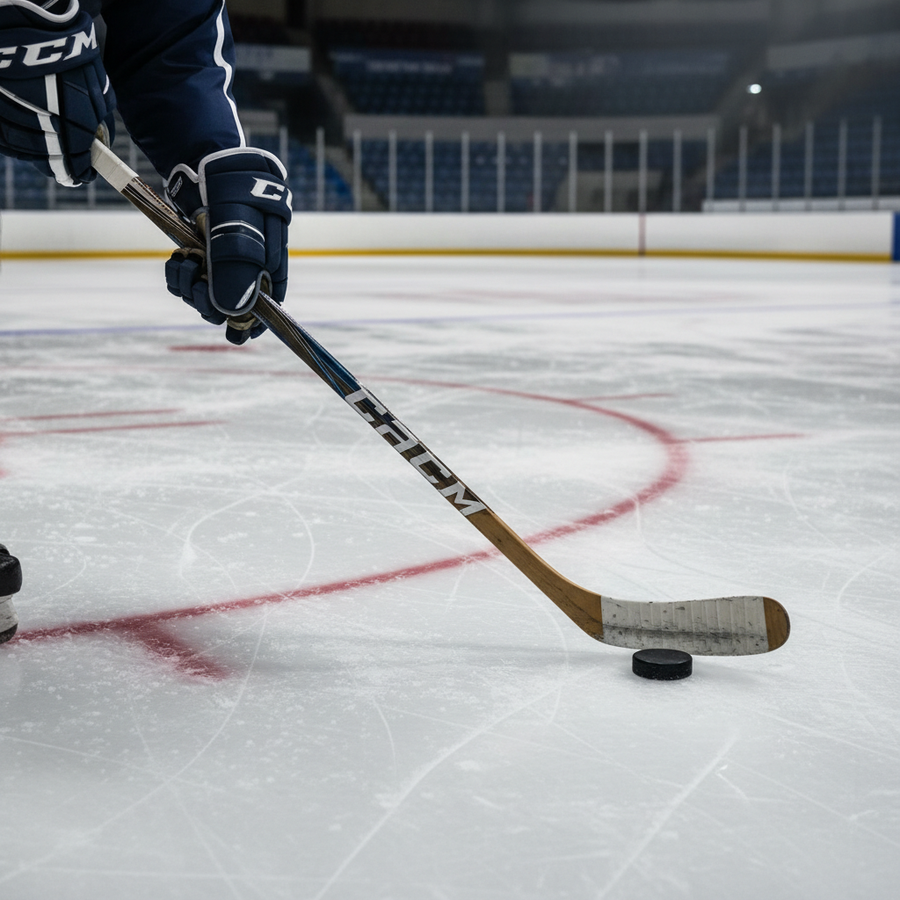
How to Start Playing Hockey as a Beginner

Understanding How Hockey Works

Field hockey is played between two teams of eleven players each on a rectangular grass or artificial turf pitch. The objective is to score more goals than the opposing team by hitting, pushing, or flicking the ball into the goal using a hooked stick. Goals can only be scored from within the shooting circle, a semi-circular area with a radius of 14.63 metres in front of each goal. This rule shapes much of the tactical structure of the game, as teams must work the ball into this area before attempting a shot.

A standard match consists of four quarters of 15 minutes each at international level, though recreational and club formats vary. The ball must be played with the flat face of the stick only, and using the rounded back of the stick is a foul. Physical contact between players is strictly restricted, which makes hockey a sport where skill, positioning, and movement matter far more than physicality. Understanding these core rules before attending a first session removes a significant amount of confusion and allows a new player to follow the flow of the game immediately. The hockey guide covers the rules and structure of the game in further detail.

Equipment Every Beginner Needs

Hockey requires a small amount of specific equipment, and getting the basics right from the start makes training more comfortable and reduces injury risk. The most important piece of equipment is the stick. Beginner sticks are typically made from fibreglass composite and are designed to be durable and forgiving rather than optimised for power or skill. The correct stick length is determined by standing upright and measuring to just below the hip bone on the left side. A stick that is too long or too short affects grip, control, and hitting mechanics.

Shin guards are mandatory in virtually all organised hockey, and they should fit snugly inside long socks without slipping during movement. Mouth guards are strongly recommended and required in many club and school competitions. Goalkeepers require significantly more protective equipment including leg guards, kickers, body armour, and a helmet, but outfield beginners do not need to invest in this. Astroturf boots or trainers with a flat sole suitable for artificial turf are the appropriate footwear for most beginner sessions. Standard football boots with metal or hard rubber studs are not suitable on artificial turf and can cause injury.

Positions, Rules, and What New Players Commonly Misunderstand

Hockey positions are divided into defenders, midfielders, and forwards, with a goalkeeper as a separate specialist role. Beginners are often placed across multiple positions in early sessions to get a sense of how different areas of the pitch feel. Defenders focus on preventing the opposition from entering the shooting circle and starting play from the back. Midfielders cover the largest amount of ground and are expected to contribute both defensively and in attack. Forwards operate closest to the opposition goal and focus on creating and finishing scoring opportunities.

A rule that confuses many beginners is the obstruction rule. In hockey, a player is not allowed to use their body or stick to shield the ball from an opponent in a way that prevents them from playing it. This is called obstruction, and it is called as a foul even if the player with the ball is not making physical contact. Many beginners instinctively try to shield the ball the way they might in football, which results in repeated fouls until the rule is properly understood. The offside rule, which exists in many other team sports, does not apply in field hockey, which simplifies the positional freedom players have when moving into attacking areas.

Finding a Club and Getting Your First Games

The most effective way to start playing hockey is to join a local club. Hockey clubs across the UK and internationally are generally very welcoming of adult beginners and often run specific beginner sessions or back-to-hockey programmes designed for people with no prior experience. Organisations such as England Hockey run structured beginner initiatives through affiliated clubs, which are a reliable starting point for anyone who wants to get into the sport in a supported environment.

Before committing to a club, attending a taster session is a practical way to experience the game without pressure. Most clubs offer these at the start of each season. School and university hockey programmes are also accessible entry points for younger beginners. Once in a club environment, attending training consistently and asking questions freely are the two habits that accelerate progress most reliably. Hockey is a technical sport, and the gap between knowing the rules and being able to play fluidly closes much faster when a new player is training regularly alongside people more experienced than themselves.

Summary

Getting started with hockey involves understanding the basic rules, acquiring the right equipment, and finding a local club that offers beginner sessions. The learning curve is manageable when approached in the right order, and most clubs are structured to support new players through the early stages. The beginner's guide covers everything a new player needs to get started with confidence.