Hockey Techniques Learn

Defensive Positioning Tactics for Modern Hockey Players

Defensive positioning in hockey has evolved considerably at the elite level, and players who rely on outdated positioning habits often find themselves consistently beaten by modern attacking systems that exploit predictable defensive structures. Understanding how to position effectively in relation to the puck, the opposition, and teammates is what separates a defender who simply reacts from one who controls what the attacker can do.

This article covers the core defensive positioning principles used in modern hockey and explains how players can apply them in both man-marking and zone-based defensive structures.
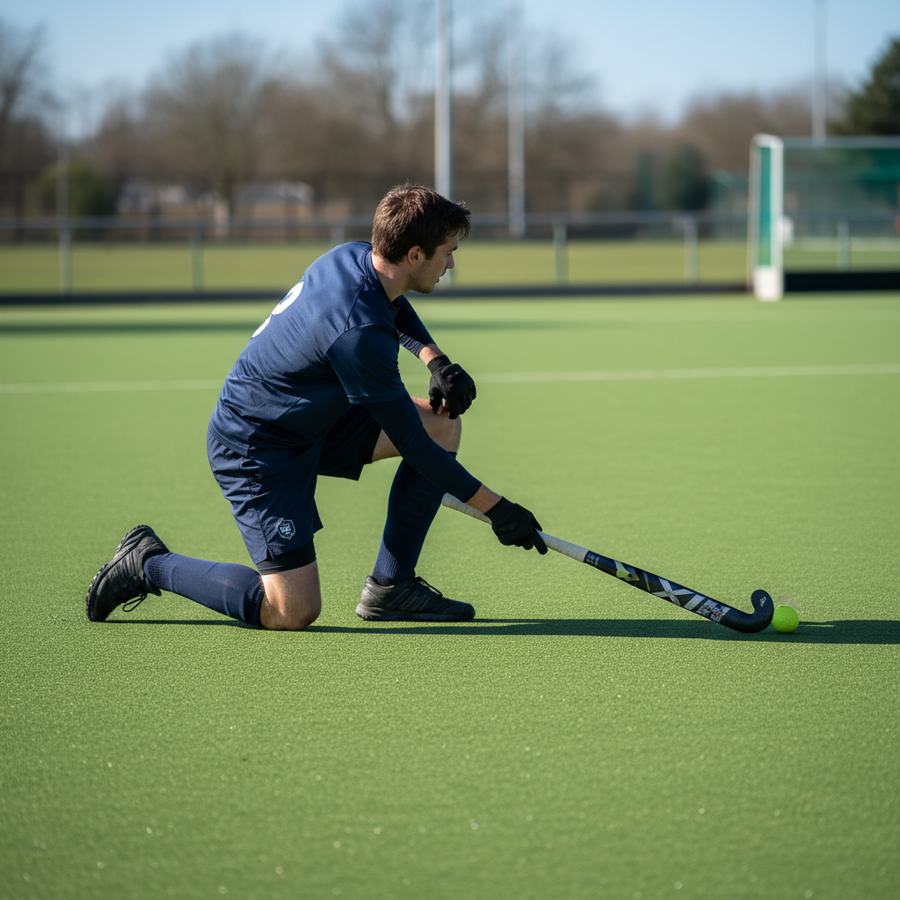
Defensive Positioning Tactics for Modern Hockey Players

The Core Principles of Defensive Positioning in Hockey

Defensive positioning in hockey is governed by three consistent principles regardless of the system a team uses: staying goal-side of the opposition, maintaining ball awareness at all times, and communicating with teammates to avoid defensive gaps. Goal-side positioning means placing the body between the player being marked and the goal, which limits the attacker's direct route to the shooting circle and forces them to work around the defender rather than through them. A defender who is not goal-side surrenders the most dangerous positions on the pitch to the opposition.

Ball awareness refers to the defender's ability to track both the player they are responsible for and the location of the ball simultaneously. Watching only the ball is called ball-watching, and it is one of the most common defensive errors at all levels. A defender who fixes their gaze on the ball loses track of the attacker's movement and is repeatedly beaten by runs into space behind them. The correct technique is to use peripheral vision to keep the player in sight while tracking the ball's movement, with the body angled to allow a clear view of both. This defensive habit takes conscious practice to develop because watching the ball feels instinctively correct when the game is fast and physical.

Defending in Relation to the Ball and the Opposition

The distance a defender holds from an opponent changes depending on how close the ball is to that opponent. When the ball is far from the player being marked, the defender can take a deeper position closer to the goal, which allows them to cover more space and support teammates. As the ball moves closer to the marked player, the defender tightens their position and increases pressure, reducing the time and space available to receive and control a pass. This adjustment in defensive distance based on ball proximity is called pressure and cover, and it is the foundation of coordinated team defence in modern hockey.

Channelling is a specific positioning technique where the defender angles their body to direct the attacker toward a less dangerous area of the pitch, typically the sideline or away from the shooting circle. Rather than attempting to win the ball immediately, the defender shapes their approach to take away the attacker's preferred direction and force them into a more predictable path. This makes the attacker easier to contain and allows teammates to anticipate where the ball will go next. Players who want to explore how defensive positioning fits into the wider structure and strategy of the game will find the hockey guide on Effort Does It a comprehensive reference, covering everything from skills and techniques to rules, training, gear, and beginner content.

Zonal Versus Man-Marking: How Modern Teams Defend

Modern hockey teams typically use a combination of zonal and man-marking principles rather than committing exclusively to one system. Pure man-marking assigns each defender a specific opponent and requires them to follow that player across the entire pitch. It is physically demanding, can be exploited by intelligent off-ball movement, and creates gaps when defenders are dragged out of position by decoy runs. Zonal defending assigns each player responsibility for a defined area of the pitch, with the expectation that they will pick up any attacker who enters their zone.

The hybrid approach used by most modern teams at club and international level asks players to defend zonally when the ball is far from their area and to pick up specific opponents when the ball enters their defensive zone. This requires clear communication between teammates, since the transitions between zonal and tight man-marking responsibilities must be coordinated to avoid two defenders marking the same player while another attacker is left free. Set pieces, particularly penalty corners, typically involve a more rigid man-marking structure because the defensive organisation must be pre-agreed and executed quickly. Players looking to improve their tactical understanding of defence alongside their individual technique can find detailed articles covering these areas in the hockey skills & techniques guide on Effort Does It, which covers positioning, movement patterns, pressing systems, and more.

Applying Defensive Positioning Principles in Match Situations

Applying these principles in match situations requires both individual understanding and collective organisation. In one-on-one defensive situations, the most common error is diving in for the ball too early. A defender who lunges at the attacker commits their body in a direction and can be easily bypassed by a simple drag or step. The correct approach is to contain the attacker, hold position, and wait for the moment when the attacker's touch takes the ball slightly away from their body, creating a genuine opportunity to win it cleanly.

In team defending, the first defender applies pressure on the ball carrier while the second defender covers the most dangerous pass option. The third defender takes a deeper position to cover any ball played in behind. This three-layer structure, often described as pressure, cover, and balance, is the same principle used from youth hockey through to the international game. Practising it in small-sided games where defending units of two or three work against attacking units allows players to develop the communication habits and positional reads needed to execute it consistently under match pressure. Regular review of training footage, even brief clips from a phone, helps players identify positioning errors that are difficult to recognise in real time.

Summary

Effective defensive positioning in modern hockey comes down to maintaining goal-side position, reading the ball and the player simultaneously, and communicating clearly enough with teammates to transition between zonal and man-marking responsibilities without leaving gaps. These are learnable skills that improve significantly through deliberate practice in small-sided defensive scenarios. Players who are building their game from the beginning will find the beginner's guide on Effort Does It a useful starting point before progressing to the more advanced positioning and tactical content covered in this article.