Hockey Techniques Learn

Mastering the Wrist Shot for Maximum Power and Accuracy

The wrist shot is one of the most used and most misunderstood skills in hockey, with many players relying on arm strength alone and wondering why their shots lack both power and accuracy. Without understanding the mechanics behind weight transfer, stick flex, and release point, even players who practise regularly can develop habits that cap how hard and how precisely they can shoot.

This article breaks down the wrist shot technique from grip to follow-through so that players at any level can generate more power without sacrificing placement.
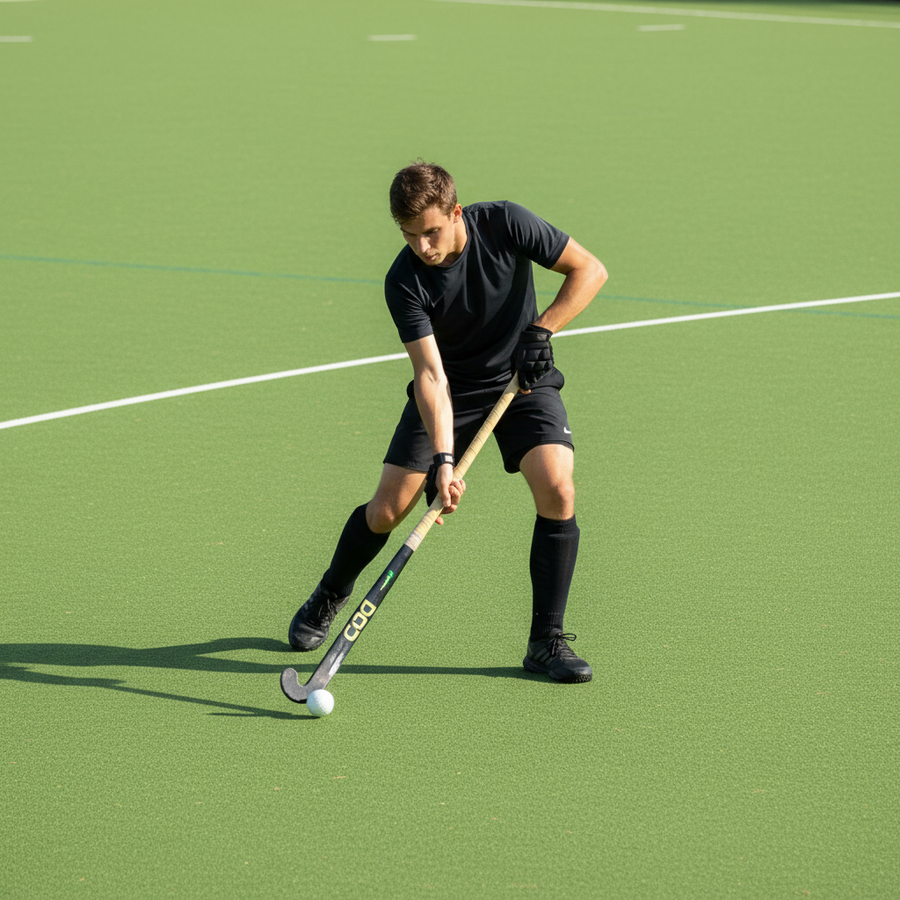
Mastering the Wrist Shot for Maximum Power and Accuracy

The Mechanics Behind an Effective Wrist Shot

The wrist shot in ice hockey is a quick-release shooting technique that combines body weight transfer, stick flex, and wrist rotation to propel the puck toward the net with minimal wind-up. Unlike the slap shot, which requires a full backswing and generates power through raw velocity of the blade, the wrist shot creates power through the loaded flex of the shaft and the rapid unloading of that flex at the moment of release. This makes it faster to execute, harder to read by a goalkeeper, and more accurate under pressure.

The foundation of a good wrist shot starts with body mechanics before the stick is even involved. The player should be in an athletic stance with the puck positioned roughly in line with the back foot. Weight sits on the back foot at the start of the motion. As the shooting motion begins, weight shifts forward from back foot to front foot through the hips. This weight transfer is what initiates the loading of the stick shaft. Players who generate all their power from the arms without shifting weight produce a weaker, less consistent shot because they are leaving the most powerful component of the kinetic chain unused.

How Stick Flex and Blade Positioning Affect Shot Power

Stick flex refers to the amount a shaft bends when force is applied, and it is a major factor in wrist shot power. Each stick has a flex rating, with lower numbers indicating a more flexible shaft. As the player drives through the shot with their lower hand while the upper hand acts as a pivot point, the shaft bends against the ice and stores energy. When the blade releases the puck at the optimal point in the arc, the stored energy is transferred into the puck. A stick with a flex rating that is too stiff for the player's body weight and strength will not load adequately, while a shaft that is too flexible may release unpredictably.

Blade angle during the shot determines both the trajectory of the puck and how cleanly the flex energy transfers at release. The blade should cup the puck slightly at the start of the motion, keeping it in contact with the blade throughout the pull toward the release point. A blade that is too open will cause the puck to ride up too early, sending the shot high. A blade that is too closed will push the puck into the ice. Players who want a comprehensive reference covering wrist shot mechanics alongside every other aspect of their development will find the hockey guide on Effort Does It a useful hub, covering everything from gear and skills to rules, training, and beginner content.

Release Point and Accuracy: Where Most Players Go Wrong

The release point is where the puck leaves the blade, and it is the variable that most directly controls accuracy. Releasing the puck too early, before the blade has swept through its arc, tends to produce shots that go wide to the heel side of the blade. Releasing too late, as the blade passes the midline of the body, pushes the puck across toward the toe side and reduces power because the flex has already begun to unload. The optimal release point sits roughly in line with the front foot, at the peak of the flex load, where energy transfer from the shaft to the puck is most efficient.

Wrist rotation at the point of release determines shot height. Rolling the top hand over while pulling through with the bottom hand points the blade downward, which keeps the shot low. Players who want to elevate a shot open the blade slightly as they release rather than rolling the wrists over. Many players who struggle with accuracy are releasing the puck at inconsistent points in the arc, which means the blade angle varies from shot to shot and the result is unpredictable. Filming shots from the side is one of the most effective ways to identify exactly where in the arc the puck is leaving the blade. Players who want to explore more techniques and skill-specific content beyond the wrist shot can visit the hockey skills & techniques guide on Effort Does It, which covers drills, shooting variations, stickhandling, passing, and more.

Drills and Practice Methods to Develop a Reliable Wrist Shot

Developing a consistent wrist shot requires repetition with intentional focus rather than simply shooting until tired. One of the most productive off-ice drills is shooting on a shooting pad or smooth surface with a practice puck, which allows players to feel the flex and blade mechanics without ice time. The emphasis should be on the weight transfer and the release point rather than how hard the shot is. Adding speed to a flawed technique only reinforces the flaw, so deliberate slow-motion practice to isolate each mechanical component is more useful at the development stage than trying to shoot at full power immediately.

On ice, a useful progression begins with stationary shots from the same spot, focusing solely on reproducing the same release point each time. Once the release becomes consistent, the player introduces lateral movement before the shot to simulate receiving a pass while moving into position. The final progression adds a defender's stick or a passive defender to create mild pressure, which forces the player to maintain technique under conditions closer to a real game. The most common coaching correction at this stage is a reversion to arm-dominant shooting when pressure is introduced, which is addressed by returning briefly to stationary slow-motion reps to reset the movement pattern before adding pressure again.

Summary

A powerful and accurate wrist shot is built on weight transfer, shaft flex, and a consistent release point rather than raw arm strength, and developing it requires deliberate practice that isolates each mechanical component before adding speed or pressure. Players who understand how blade angle and wrist rotation interact at the moment of release will see the most immediate improvement in both shot height control and direction. Those who are newer to the game and want to build their fundamentals before focusing on advanced shooting skills can explore the beginner's guide on Effort Does It, which covers the foundational skills and knowledge needed to develop as a hockey player.